

Solar Tracker Market Analysis and Global Forecast 2023-2033
Price range: $ 1,390.00 through $ 5,520.00
Solar Tracker Market Research Report: By Technology (Solar Photovoltaic (PV), Concentrated Solar Power (CSP), Concentrated Photovoltaic (CPV), By Type (Single Axis, Dual Axis), By Application (Utility, Non-utility), and by Region — Forecast till 2033
Solar Tracker Market Overview
The Solar Tracker Market Size is expected to reach USD 21.28 Billion by 2033. The Solar Tracker industry size accounted for USD 4.41 Billion in 2023 and is expected to expand at a CAGR of 26.36% from 2023 to 2033. A solar tracker is a sophisticated electromechanical or electronic system used in solar energy systems to autonomously orient solar panels or solar collectors in real time, optimizing their alignment with the sun’s trajectory throughout the day. By continuously adjusting the positioning of solar components to maximize their exposure to sunlight, solar trackers enhance energy capture and overall energy output in photovoltaic (PV) and concentrating solar power (CSP) applications. This technology involves precise sensor and actuator mechanisms to ensure that solar panels or mirrors remain perpendicular to the sun’s rays, increasing the efficiency and productivity of solar energy installations. Solar trackers can be categorized into single-axis and dual-axis systems, each designed to track the sun’s movements to varying degrees of complexity and cost.
Global Solar Tracker Market Synopsis
 COVID-19 Impact Analysis
The Solar Tracker market experienced a moderate impact from the COVID-19 pandemic. The global solar industry faced disruptions in supply chains, manufacturing, and construction due to lockdowns and restrictions, leading to project delays and logistical challenges. However, the impact was relatively moderate when compared to some other sectors, as the solar energy sector demonstrated resilience. The pandemic underscored the importance of sustainable and resilient energy sources, driving increased interest in renewable energy solutions. Government incentives and policies aimed at promoting clean energy also played a role in sustaining demand for solar trackers, leading to a recovery in the market over time as the industry adapted to the new operational norms and heightened focus on environmental considerations.
Global Solar Tracker Market Dynamics
The major factors that have impacted the growth of Solar Tracker are as follows:
Drivers:
⮚ Growing Adoption of Renewable Energy
The increasing global focus on reducing greenhouse gas emissions and transitioning to sustainable energy sources is a significant driver for the Solar Tracker market. Solar trackers enhance the efficiency of solar energy systems, making them more attractive and cost-effective, especially in regions with abundant sunlight. Government policies and incentives promoting renewable energy further accelerate the adoption of solar trackers in utility-scale solar projects.
Restraint:
⮚ High Initial Investment Costs
The Solar Tracker market is the high initial capital cost associated with these systems. Solar tracker technology can add a substantial expense to solar projects, which can deter potential investors and project developers. However, over time, this cost can be offset by increased energy production and efficiency, making it an attractive long-term investment.
Opportunity:
⮚ Technological Advancements
The ongoing advancements in solar tracker technology offer a significant opportunity for the market. Innovations such as improved tracking algorithms, more durable materials, and enhanced control systems are increasing the overall performance and reliability of solar trackers. These advancements can lead to reduced maintenance costs and increased energy generation, making solar trackers more attractive to a wider range of applications and potential customers, including residential and commercial solar installations.
Solar Tracker Market Segment Overview
By Technology
Based on Technology, the market has been divided into Solar Photovoltaic (PV), Concentrated Solar Power (CSP), and Concentrated Photovoltaic (CPV). The Solar Photovoltaic (PV) segment is expected to hold the largest market share in the Solar Tracker market due to the increasing demand for efficient electricity generation from solar panels, especially in utility-scale and commercial solar projects.
By Type
 Based on the Type, the market is segmented based on Single Axis and dual Axis. The Single Axis segment was projected to hold the largest market share in the Solar Tracker market due to its cost-effectiveness and widespread adoption in utility-scale solar projects, offering improved energy efficiency.
By Application
Based on the Application, the market has been divided into Utility and non-utility. The Utility segment is expected to hold the largest market share in the Elbow Sleeve market due to the high demand for these products in sports and athletic applications, injury prevention, and therapeutic use.
Global Solar Tracker Market Regional Analysis
Based on region, the market has been divided into North America, Europe, Asia-Pacific, the Middle East & Africa, and Latin America. The area of North America is anticipated to dominate the market for the usage of Solar Tracker, followed by those in Asia-Pacific and Europe.
 North America Market

North America has asserted significant dominance in the Solar Tracker market, driven by a combination of factors. The region benefits from a robust solar energy industry with a strong focus on renewable energy adoption. The United States, in particular, has experienced substantial growth in solar installations, supported by government incentives, renewable energy goals, and a proactive approach to sustainable energy solutions. The presence of large utility-scale solar projects across the continent, coupled with favorable regulatory policies and a well-developed infrastructure, has propelled North America to the forefront of the Solar Tracker market. Moreover, advancements in solar tracking technology have played a pivotal role in improving the efficiency and cost-effectiveness of solar energy production, further cementing North America’s position as a key player in the global solar tracking industry.
Asia Pacific Market
The Asia-Pacific region has been experiencing remarkable growth in the Solar Tracker market, driven by several compelling factors. The increasing energy demand, coupled with a growing awareness of environmental sustainability, has led many countries in the region to invest significantly in renewable energy sources. Governments across Asia-Pacific have implemented favorable policies and incentives to promote solar power adoption, spurring a surge in solar tracker installations, especially in countries like China and India. The abundant availability of sunlight in this region, combined with the need for reliable and sustainable energy, has made solar trackers a pivotal component of large-scale solar projects, contributing to their impressive growth and further establishing the Asia-Pacific region as a key player in the global solar tracker market.
Competitive Landscape
The competitive landscape includes key players (tier 1, tier 2, and local) having a presence across the globe. Companies such as Abengoa Solar S.A., AllEarth Renewables, Array Technologies Inc., DEGERenergie GmbH & Co. KG, and Nclave are some of the leading players in the global Solar Tracker Industry. These players have adopted partnership, acquisition, expansion, and new product development, among others as their key strategies.
Key Market Players:
● AllEarth Renewables
● Array Technologies Inc.
● DEGERenergie GmbH & Co. KG
● Nclave
● Powerway Renewable Energy Co. Ltd.
● Soltec Tracker
● SunPower Corporation
● Titan Tracker
● Trina Solar Limited
Key development:
In February 2023, PV Hardware (PVH), a prominent solar PV tracker manufacturer under Spain’s Gransolar Group, unveiled plans to construct the world’s largest solar tracker factory in Valencia, Spain. This facility aims to significantly enhance its annual global production and supply capacity, reaching a total of 25 GW.
In October 2022, Gonvarri Solar Steel announced a substantial agreement to provide approximately 1.2 GW worth of solar trackers and rack solutions for numerous solar projects in the Iberian Peninsula. Iberdrola SA, as part of this deal, placed an order for 289 MW of Gonvarri Solar Steel’s TracSmarT+ 1V single and double row trackers, along with 938 MW of their RackSmarT fixed structures.
Scope of the Report
Global Solar Tracker Market, by Technology
● Solar Photovoltaic (PV)
● Concentrated Solar Power (CSP)
● Concentrated Photovoltaic (CPV)
Global Solar Tracker Market, by Type
● Single Axis
● Dual Axis
Global Solar Tracker Market, by Application
● Utility
● Non-utility
Global Solar Tracker Market, by Region
● North America
– US
– Canada
– Mexico
● Europe
– UK
– Germany
– France
– Italy
– Spain
– Benelux
– Nordic
– Rest of Europe
● Asia Pacific
– China
– Japan
– South Korea
– Indonesia
– Austalia
– Malaysia
– India
– Rest of Asia Pacific
● South America
– Brazil
– Argentina
– Rest of South America
● Middle East & Africa
– Saudi Arabia
– UAE
– Egypt
– South Africa
– Rest of Middle East & Africa
REPORT CONTENT BRIEF:
● High-level analysis of the current and future Solar Tracker Industry trends and opportunities
● Detailed analysis of current market drivers, restraining factors, and opportunities analysis in the future
● Historical market size for the year 2021, and forecast from 2023 to 2033
● Solar Tracker market share analysis for each segment
● Competitor analysis with a comprehensive insight into its product segment, financial strength, and strategies adopted.
● Identifies key strategies adopted by the key players including new product development, mergers and acquisitions, joint ventures, collaborations, and partnerships.
● To identify and understand the various factors involved in the global Solar Tracker market affected by the pandemic
● To provide year-on-year growth from 2022 to 2033
● To provide short-term, long-term, and overall CAGR comparison from 2022 to 2033.
● Provide Total Addressable Market (TAM) for the Global Solar Tracker Market.
Press Release

Global Pharmaceutical Manufacturing Market to Reach $1.38 Trillion by 2035 with 7.35% CAGR, New Research Shows
The Global Mammography Market Is Estimated To Record a CAGR of Around 10.29% During The Forecast Period
Glue Stick Market to Reach USD 2.35 Billion by 2034
Podiatry Service Market to Reach USD 11.88 Billion by 2034
Microfluidics Technology Market to Reach USD 32.58 Billion by 2034
Ferric Chloride Market to Reach USD 10.65 Billion by 2034
Family Practice EMR Software Market to Reach USD 21.52 Billion by 2034
Electric Hairbrush Market to Reach USD 15.95 Billion by 2034
Daily Bamboo Products Market to Reach USD 143.52 Billion by 2034
Cross-border E-commerce Logistics Market to Reach USD 112.65 Billion by 2034


Frequently Asked Questions (FAQ)
What is the 10-year CAGR (2023 to 2033) of the global Solar Tracker market?
The global Solar Tracker market is growing at a CAGR of ~36% over the next 10 years
Which region has the highest growth rate in the market of Solar Tracker?
Asia Pacific is expected to register the highest CAGR during 2023-2033
Which region accounted for the largest share of the market of Solar Tracker?
North America holds the largest share in 2022
Major Key Players in the Market of Solar Tracker Manufacturers?
Abengoa Solar S.A., AllEarth Renewables, Array Technologies Inc., DEGERenergie GmbH & Co. KG, Nclave, Powerway Renewable Energy Co. Ltd, Soltec Tracker, SunPower Corporation, Titan Tracker, Trina Solar Limited.
Do you offer post-sales support?
Yes, we offer 16 hours of analyst support to solve the queries
Do you deliver sections of a report?
Yes, we do provide regional as well as country-level reports. Other than this we also provide a sectional report. Please get in contact with our sales representatives.
Table of Content
CHAPTER 1. Executive Summary CHAPTER 2. Scope of the Study 2.1. Market Definition 2.2. Market Scope & Segmentation 2.2.1. Objective of Report CHAPTER 3. Evolve BI Methodology 3.1. Data Collection & Validation Approach 3.2. Market Size Estimation and Forecast CHAPTER 4. Exclusive Analysis 4.1. Market Opportunity Score 4.1.1. Technology Segement – Market Opportunity Score 4.1.2. Type Segment – Market Opportunity Score 4.1.3. Application Segment – Market Opportunity Score 4.2. Key Market Influencing Indicators CHAPTER 5. Market Insights and Trends 5.1. Value Chain Analysis 5.1.1. Raw Material 5.1.2. Manufacturing Process 5.1.3. Distribution Channel 5.1.4. End User 5.2. Porter’s Five Forces Analysis 5.2.1. Bargaining Power of Buyers 5.2.2. Bargaining Power of Suppliers 5.2.3. Threat of New Entrant 5.2.4. Threat of Substitute 5.2.5. Industry Rivalry 5.3. COVID-19 Impact and Post COVID Scenario on Solar Tracker Market 5.3.1. Impact of COVID-19 5.3.2. Government Support and Industry Revival Policies 5.3.3. Measures Taken by Companies to Mitigate Negative Impact 5.3.4. Post COVID Trend CHAPTER 6. MArket Dynamics 6.1. Introduction 6.2. Drivers 6.2.1. Driver 1 6.2.2. Driver 2 6.2.3. Driver 3 6.3. Restraints 6.3.1. Restraint 1 6.3.2. Restraint 2 6.4. Opportunity 6.4.1. Opportunity 1 CHAPTER 7. Global Solar Tracker Market, By Technology 7.1. Introduction 7.1.1. Solar Photovoltaic (PV) 7.1.2. Concentrated Solar Power (CSP) 7.1.3. Concentrated Photovoltaic (CPV) CHAPTER 8. Global Solar Tracker Market, By Type 8.1. Introduction 8.1.1. Single Axis 8.1.2. Dual Axis CHAPTER 9. Global Solar Tracker Market, By Application 9.1. Introduction 9.1.1. Utility 9.1.2. Non-utility CHAPTER 10. Global Solar Tracker Market, By Region 10.1. Introduction 10.2. NORTH AMERICA 10.2.1. North America: Market Size and Forecast, By Country, 2023 – 2033 ($ Million) 10.2.2. North America: Market Size and Forecast, By Technology, 2023 – 2033 ($ Million) 10.2.3. North America: Market Size and Forecast, By Type, 2023 – 2033 ($ Million) 10.2.4. North America: Market Size and Forecast, By Application, 2023 – 2033 ($ Million) 10.2.5. US 10.2.5.1. US: Market Size and Forecast, By Technology, 2023 – 2033 ($ Million) 10.2.5.2. US: Market Size and Forecast, By Type, 2023 – 2033 ($ Million) 10.2.5.3. US: Market Size and Forecast, By Application, 2023 – 2033 ($ Million) 10.2.6. CANADA 10.2.6.1. Canada: Market Size and Forecast, By Technology, 2023 – 2033 ($ Million) 10.2.6.2. Canada: Market Size and Forecast, By Type, 2023 – 2033 ($ Million) 10.2.6.3. Canada: Market Size and Forecast, By Application, 2023 – 2033 ($ Million) 10.2.7. MEXICO 10.2.7.1. Mexico: Market Size and Forecast, By Technology, 2023 – 2033 ($ Million) 10.2.7.2. Mexico: Market Size and Forecast, By Type, 2023 – 2033 ($ Million) 10.2.7.3. Mexico: Market Size and Forecast, By Application, 2023 – 2033 ($ Million) 10.3. Europe 10.3.1. Europe: Market Size and Forecast, By Country, 2023 – 2033 ($ Million) 10.3.2. Europe: Market Size and Forecast, By Technology, 2023 – 2033 ($ Million) 10.3.3. Europe: Market Size and Forecast, By Type, 2023 – 2033 ($ Million) 10.3.4. Europe: Market Size and Forecast, By Application, 2023 – 2033 ($ Million) 10.3.5. U.K. 10.3.5.1. U.K.: Market Size and Forecast, By Technology, 2023 – 2033 ($ Million) 10.3.5.2. U.K.: Market Size and Forecast, By Type, 2023 – 2033 ($ Million) 10.3.5.3. U.K.: Market Size and Forecast, By Application, 2023 – 2033 ($ Million) 10.3.6. GERMANY 10.3.6.1. Germany: Market Size and Forecast, By Technology, 2023 – 2033 ($ Million) 10.3.6.2. Germany: Market Size and Forecast, By Type, 2023 – 2033 ($ Million) 10.3.6.3. Germany: Market Size and Forecast, By Application, 2023 – 2033 ($ Million) 10.3.7. FRANCE 10.3.7.1. France: Market Size and Forecast, By Technology, 2023 – 2033 ($ Million) 10.3.7.2. France: Market Size and Forecast, By Type, 2023 – 2033 ($ Million) 10.3.7.3. France: Market Size and Forecast, By Application, 2023 – 2033 ($ Million) 10.3.8. ITALY 10.3.8.1. Italy: Market Size and Forecast, By Technology, 2023 – 2033 ($ Million) 10.3.8.2. Italy: Market Size and Forecast, By Type, 2023 – 2033 ($ Million) 10.3.8.3. Italy: Market Size and Forecast, By Application, 2023 – 2033 ($ Million) 10.3.9. SPAIN 10.3.9.1. Spain: Market Size and Forecast, By Technology, 2023 – 2033 ($ Million) 10.3.9.2. Spain: Market Size and Forecast, By Type, 2023 – 2033 ($ Million) 10.3.9.3. Spain: Market Size and Forecast, By Application, 2023 – 2033 ($ Million) 10.3.10. BENELUX 10.3.10.1. BeNeLux: Market Size and Forecast, By Technology, 2023 – 2033 ($ Million) 10.3.10.2. BeNeLux: Market Size and Forecast, By Type, 2023 – 2033 ($ Million) 10.3.10.3. BeNeLux: Market Size and Forecast, By Application, 2023 – 2033 ($ Million) 10.3.11. RUSSIA 10.3.11.1. Russia: Market Size and Forecast, By Technology, 2023 – 2033 ($ Million) 10.3.11.2. Russia: Market Size and Forecast, By Type, 2023 – 2033 ($ Million) 10.3.11.3. Russia: Market Size and Forecast, By Application, 2023 – 2033 ($ Million) 10.3.12. REST OF EUROPE 10.3.12.1. Rest of Europe: Market Size and Forecast, By Technology, 2023 – 2033 ($ Million) 10.3.12.2. Rest of Europe: Market Size and Forecast, By Type, 2023 – 2033 ($ Million) 10.3.12.3. Rest of Europe: Market Size and Forecast, By Application, 2023 – 2033 ($ Million) 10.4. Asia Pacific 10.4.1. Asia Pacific: Market Size and Forecast, By Country, 2023 – 2033 ($ Million) 10.4.2. Asia Pacific: Market Size and Forecast, By Technology, 2023 – 2033 ($ Million) 10.4.3. Asia Pacific: Market Size and Forecast, By Type, 2023 – 2033 ($ Million) 10.4.4. Asia Pacific: Market Size and Forecast, By Application, 2023 – 2033 ($ Million) 10.4.5. CHINA 10.4.5.1. China: Market Size and Forecast, By Technology, 2023 – 2033 ($ Million) 10.4.5.2. China: Market Size and Forecast, By Type, 2023 – 2033 ($ Million) 10.4.5.3. China: Market Size and Forecast, By Application, 2023 – 2033 ($ Million) 10.4.6. JAPAN 10.4.6.1. Japan: Market Size and Forecast, By Technology, 2023 – 2033 ($ Million) 10.4.6.2. Japan: Market Size and Forecast, By Type, 2023 – 2033 ($ Million) 10.4.6.3. Japan: Market Size and Forecast, By Application, 2023 – 2033 ($ Million) 10.4.7. INDIA 10.4.7.1. India: Market Size and Forecast, By Technology, 2023 – 2033 ($ Million) 10.4.7.2. India: Market Size and Forecast, By Type, 2023 – 2033 ($ Million) 10.4.7.3. India: Market Size and Forecast, By Application, 2023 – 2033 ($ Million) 10.4.8. SOUTH KOREA 10.4.8.1. South Korea: Market Size and Forecast, By Technology, 2023 – 2033 ($ Million) 10.4.8.2. South Korea: Market Size and Forecast, By Type, 2023 – 2033 ($ Million) 10.4.8.3. South Korea: Market Size and Forecast, By Application, 2023 – 2033 ($ Million) 10.4.9. THAILAND 10.4.9.1. Thailand: Market Size and Forecast, By Technology, 2023 – 2033 ($ Million) 10.4.9.2. Thailand: Market Size and Forecast, By Type, 2023 – 2033 ($ Million) 10.4.9.3. Thailand: Market Size and Forecast, By Application, 2023 – 2033 ($ Million) 10.4.10. INDONESIA 10.4.10.1. Indonesia: Market Size and Forecast, By Technology, 2023 – 2033 ($ Million) 10.4.10.2. Indonesia: Market Size and Forecast, By Type, 2023 – 2033 ($ Million) 10.4.10.3. Indonesia: Market Size and Forecast, By Application, 2023 – 2033 ($ Million) 10.4.11. MALAYSIA 10.4.11.1. Malaysia: Market Size and Forecast, By Technology, 2023 – 2033 ($ Million) 10.4.11.2. Malaysia: Market Size and Forecast, By Type, 2023 – 2033 ($ Million) 10.4.11.3. Malaysia: Market Size and Forecast, By Application, 2023 – 2033 ($ Million) 10.4.12. AUSTRALIA 10.4.12.1. Australia: Market Size and Forecast, By Technology, 2023 – 2033 ($ Million) 10.4.12.2. Australia: Market Size and Forecast, By Type, 2023 – 2033 ($ Million) 10.4.12.3. Australia: Market Size and Forecast, By Application, 2023 – 2033 ($ Million) 10.4.13. REST FO ASIA PACIFIC 10.4.13.1. Rest fo Asia Pacific: Market Size and Forecast, By Technology, 2023 – 2033 ($ Million) 10.4.13.2. Rest fo Asia Pacific: Market Size and Forecast, By Type, 2023 – 2033 ($ Million) 10.4.13.3. Rest fo Asia Pacific: Market Size and Forecast, By Application, 2023 – 2033 ($ Million) 10.5. South America 10.5.1. South America: Market Size and Forecast, By Country, 2023 – 2033 ($ Million) 10.5.2. South America: Market Size and Forecast, By Technology, 2023 – 2033 ($ Million) 10.5.3. South America: Market Size and Forecast, By Type, 2023 – 2033 ($ Million) 10.5.4. South America: Market Size and Forecast, By Application, 2023 – 2033 ($ Million) 10.5.5. BRAZIL 10.5.5.1. Brazil: Market Size and Forecast, By Technology, 2023 – 2033 ($ Million) 10.5.5.2. Brazil: Market Size and Forecast, By Type, 2023 – 2033 ($ Million) 10.5.5.3. Brazil: Market Size and Forecast, By Application, 2023 – 2033 ($ Million) 10.5.6. ARGENTINA 10.5.6.1. Argentina: Market Size and Forecast, By Technology, 2023 – 2033 ($ Million) 10.5.6.2. Argentina: Market Size and Forecast, By Type, 2023 – 2033 ($ Million) 10.5.6.3. Argentina: Market Size and Forecast, By Application, 2023 – 2033 ($ Million) 10.5.7. REST OF SOUTH AMERICA 10.5.7.1. Rest of South America: Market Size and Forecast, By Technology, 2023 – 2033 ($ Million) 10.5.7.2. Rest of South America: Market Size and Forecast, By Type, 2023 – 2033 ($ Million) 10.5.7.3. Rest of South America: Market Size and Forecast, By Application, 2023 – 2033 ($ Million) 10.6. Middle East & Africa 10.6.1. Middle East & Africa: Market Size and Forecast, By Country, 2023 – 2033 ($ Million) 10.6.2. Middle East & Africa: Market Size and Forecast, By Technology, 2023 – 2033 ($ Million) 10.6.3. Middle East & Africa: Market Size and Forecast, By Type, 2023 – 2033 ($ Million) 10.6.4. Middle East & Africa: Market Size and Forecast, By Application, 2023 – 2033 ($ Million) 10.6.5. SAUDI ARABIA 10.6.5.1. Saudi Arabia: Market Size and Forecast, By Technology, 2023 – 2033 ($ Million) 10.6.5.2. Saudi Arabia: Market Size and Forecast, By Type, 2023 – 2033 ($ Million) 10.6.5.3. Saudi Arabia: Market Size and Forecast, By Application, 2023 – 2033 ($ Million) 10.6.6. UAE 10.6.6.1. UAE: Market Size and Forecast, By Technology, 2023 – 2033 ($ Million) 10.6.6.2. UAE: Market Size and Forecast, By Type, 2023 – 2033 ($ Million) 10.6.6.3. UAE: Market Size and Forecast, By Application, 2023 – 2033 ($ Million) 10.6.7. EGYPT 10.6.7.1. Egypt: Market Size and Forecast, By Technology, 2023 – 2033 ($ Million) 10.6.7.2. Egypt: Market Size and Forecast, By Type, 2023 – 2033 ($ Million) 10.6.7.3. Egypt: Market Size and Forecast, By Application, 2023 – 2033 ($ Million) 10.6.8. SOUTH AFRICA 10.6.8.1. South Africa: Market Size and Forecast, By Technology, 2023 – 2033 ($ Million) 10.6.8.2. South Africa: Market Size and Forecast, By Type, 2023 – 2033 ($ Million) 10.6.8.3. South Africa: Market Size and Forecast, By Application, 2023 – 2033 ($ Million) 10.6.9. REST OF MIDDLE EAST & AFRICA 10.6.9.1. Rest of Middle East & Africa: Market Size and Forecast, By Technology, 2023 – 2033 ($ Million) 10.6.9.2. Rest of Middle East & Africa: Market Size and Forecast, By Type, 2023 – 2033 ($ Million) 10.6.9.3. Rest of Middle East & Africa: Market Size and Forecast, By Application, 2023 – 2033 ($ Million) CHAPTER 12. Competitive Landscape 12.1. Competitior Benchmarking 2023 12.2. Market Share Analysis 12.3. Key Developments Analysis By Top 5 Companies 12.4. Market Share Acquisition Strategies: Analysis of Key Approaches Employed by Top Players CHAPTER 13. Company Profiles 13.1. Abengoa Solar S.A. 13.1.1. Business Overview 13.1.2. Financial Analysis 13.1.2.1. Business Segment Revenue, 2020, 2021, 2022, $ Million 13.1.2.2. Geographic Revenue Mix, 2022 (% Share) 13.1.3. Product Portfolio 13.1.4. Recent Development and Strategies Adopted 13.1.5. SWOT Analysis 13.2. AllEarth Renewables 13.3. Array Technologies Inc. 13.4. DEGERenergie GmbH & Co. KG 13.5. Nclave 13.6. Powerway Renewable Energy Co. Ltd. 13.7. Soltec Tracker 13.8. SunPower Corporation 13.9. Titan Tracker 13.10. Trina Solar Limited
Connect to Analyst
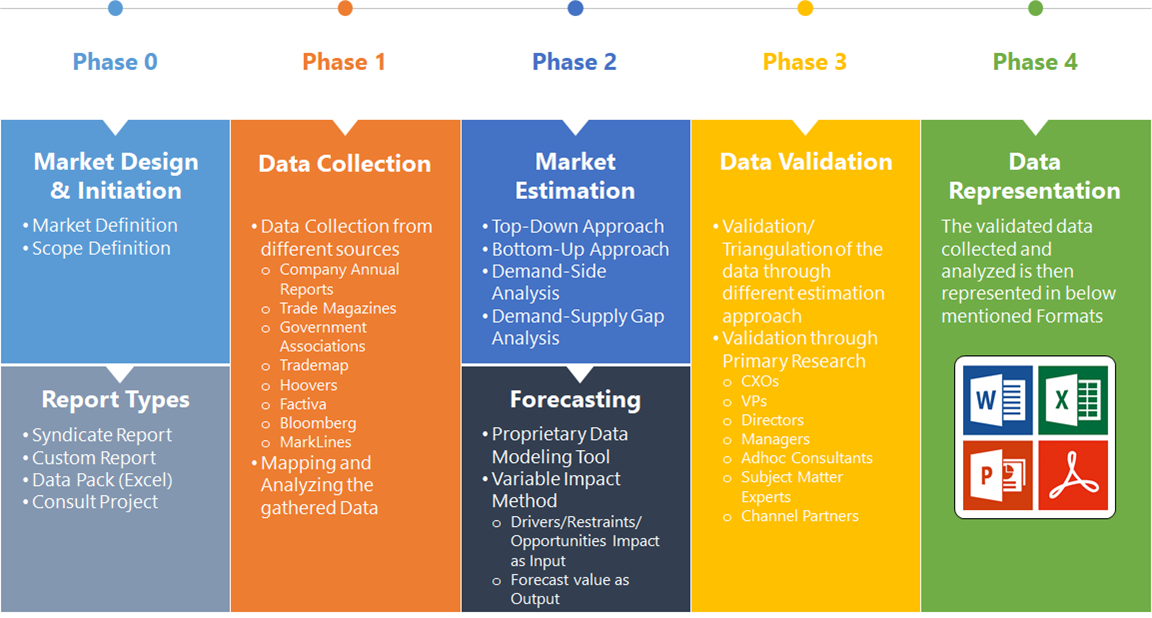
Research Methodology
Our Most Viewed Report and gain instant expertise

Automotive Camera Market Analysis and Global Forecast 2023-2033